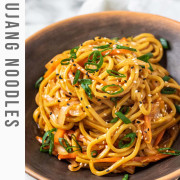


Gochujang Noodles | This easy noodle dish starts with a base of fresh noodles and sautéed cabbage, and ends with a spicy, sweet, savory sauce starring gochujang paste – a Korean cuisine staple ingredient. Gochujang is a spicy fermented paste that gives these noodles a unique and delicious flavor. This is an easy 15-minute meal!

This boldly flavored noodle dish comes together easily, with quick cooked vegetables, fresh noodles and a mix of condiments to make up the sweet and spicy sauce.
The sauteed onion, carrot, and cabbage give the dish a slight crunch texture while the noodles are soft and thick. The sauce coats everything to make every single slurp delicious.

What is gochujang?
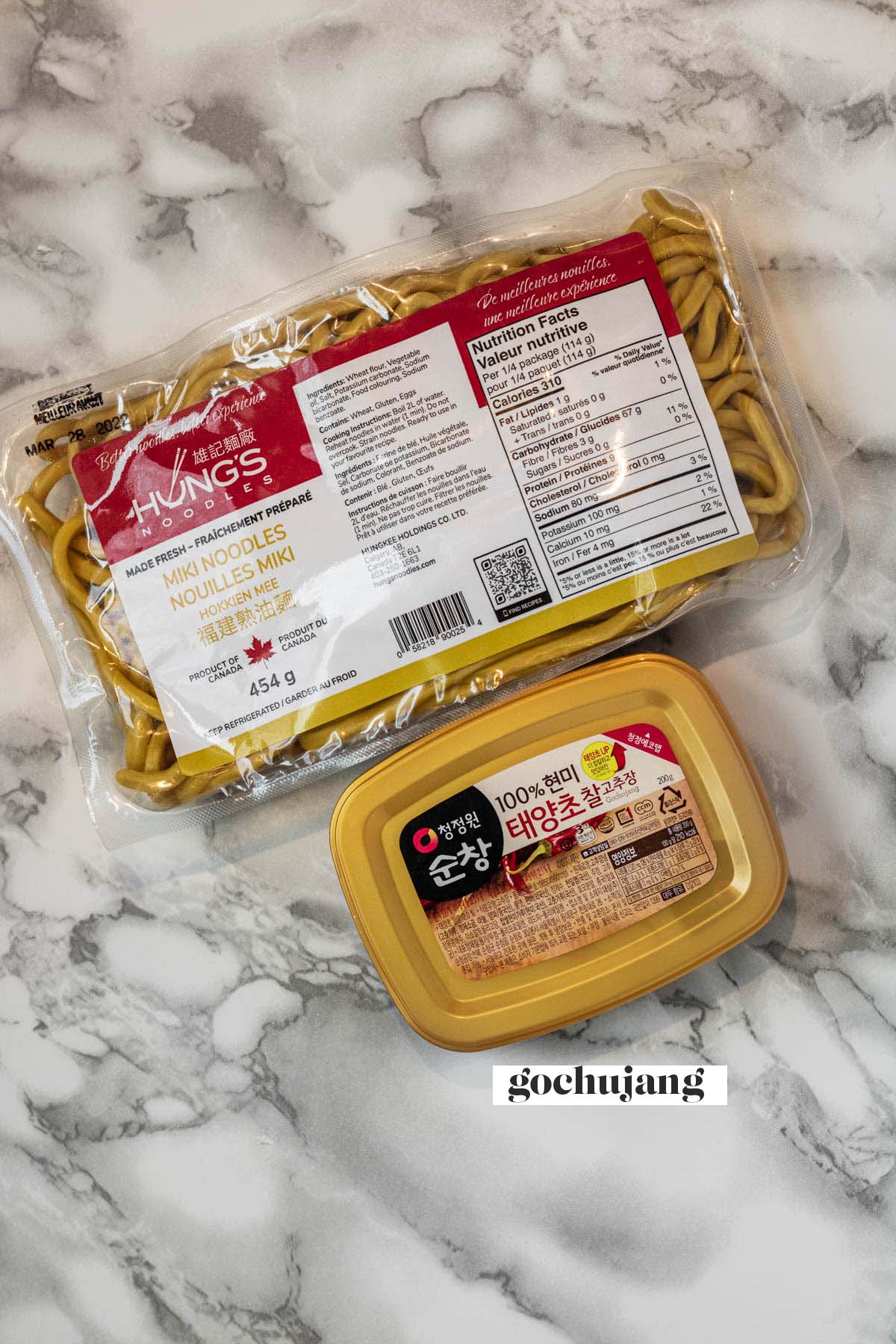
Gochujang is a fermented chili paste commonly used in Korean cuisine. The paste is made from chilies, rice, fermented soybeans and salt.
Where can I buy gochujang?
I buy my gochujang at Lucky Supermarket, a grocery store specializing in Asian foods, in the nearest city to me. You can also buy Gochujang on Amazon.
What does gochujang taste like?
Gochujang has a slight sweet, spicy, and umami flavor. Gochujang has a thick paste consistency and works well in sauces or soups where you thin it out with liquid.
Ingredients
See the recipe card for exact amounts.
Substitutions
Instructions
Prep Tips

- Make the sauce by mixing all the sauce ingredients together in a small bowl.
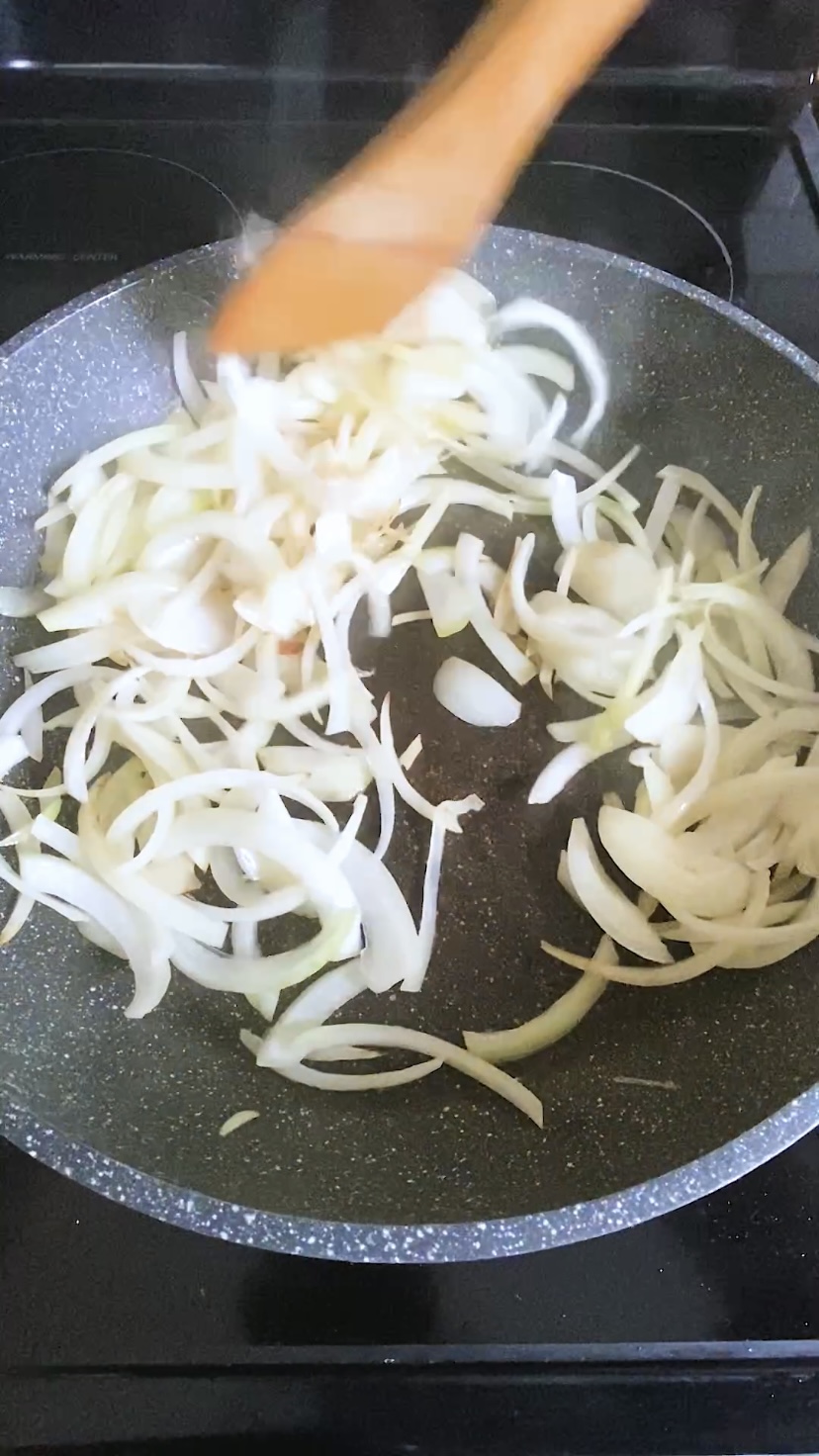
- Sauté onions over medium heat for a few minutes.
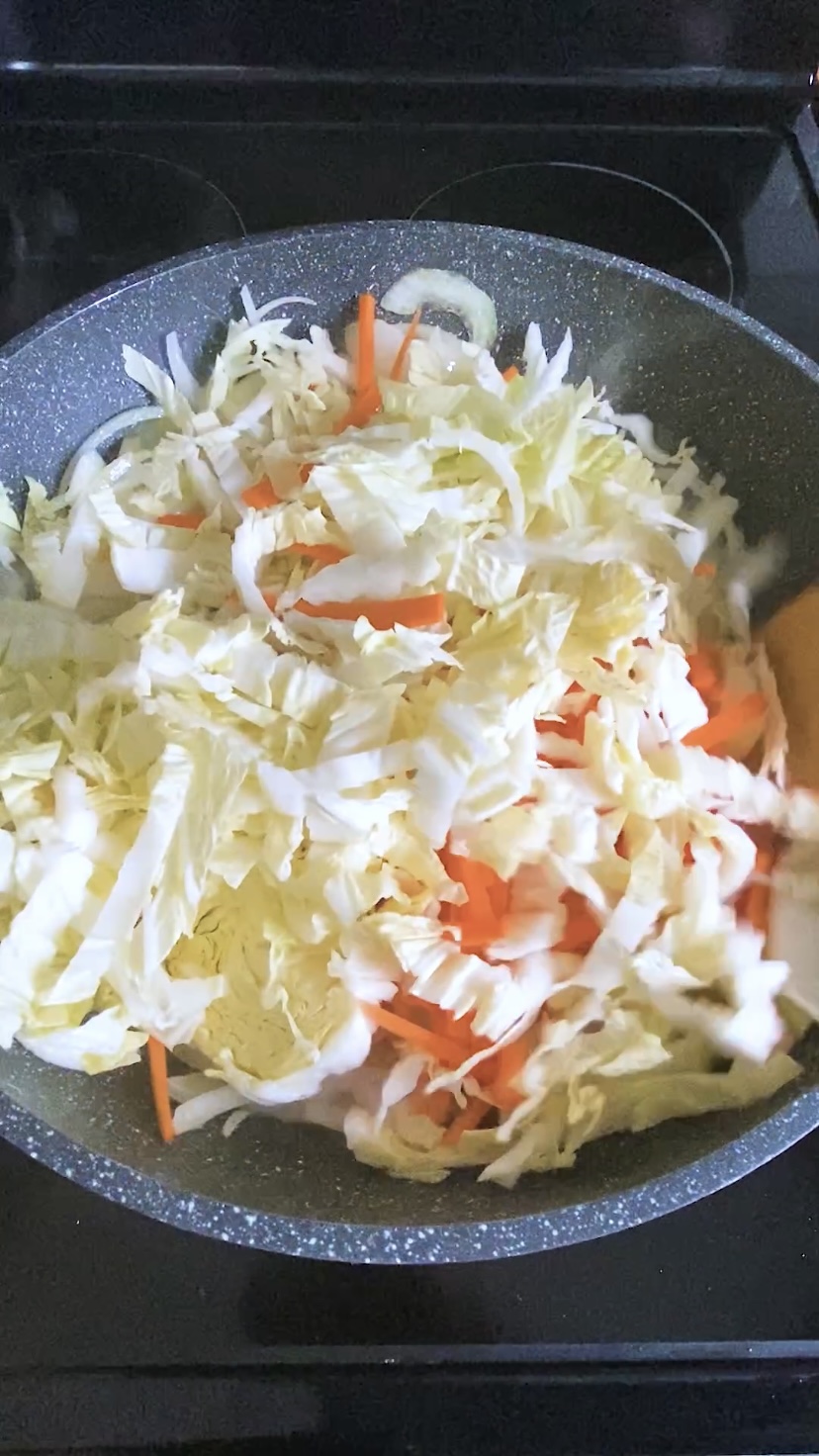
- Add the carrots and onion and cook for another few minutes. We’re just getting the rawness out of the vegetables but keeping the crispness.
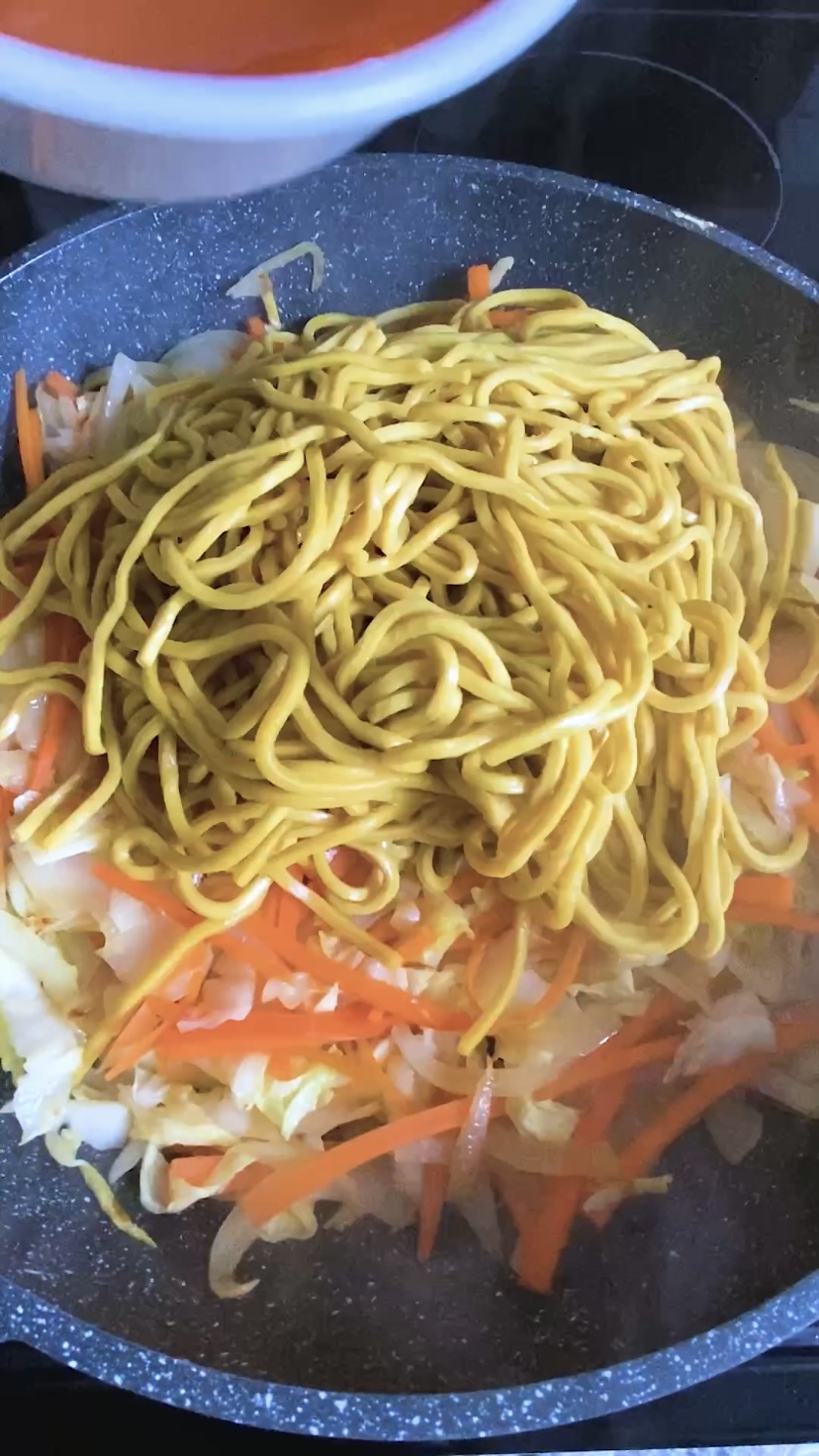
- Next add the fresh noodles.

- And then add the sauce. Mix everything well.
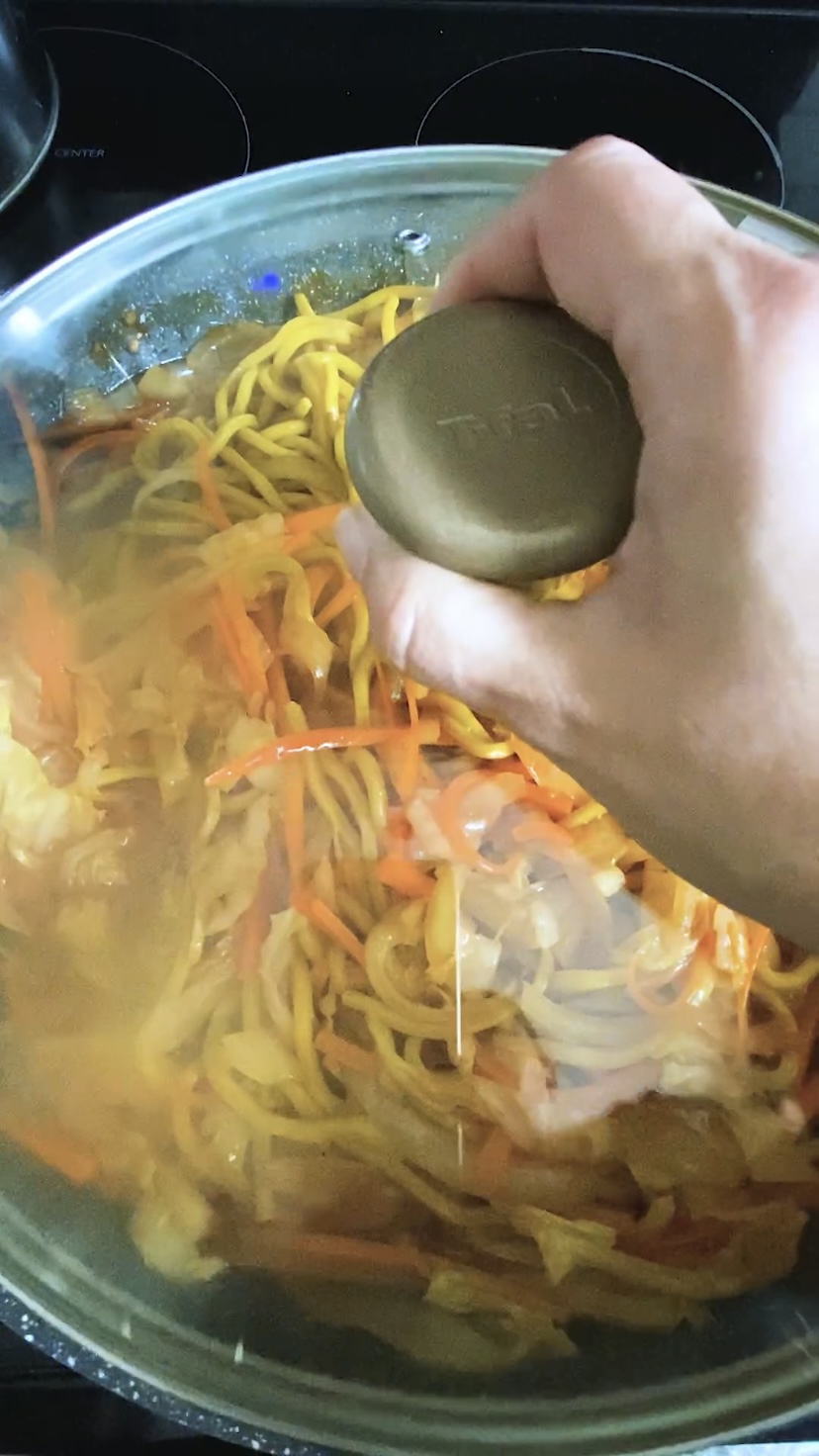
- Add a lid and cook for about 2 minutes, to let everything heat through and the sauce thicken. Serve hot.
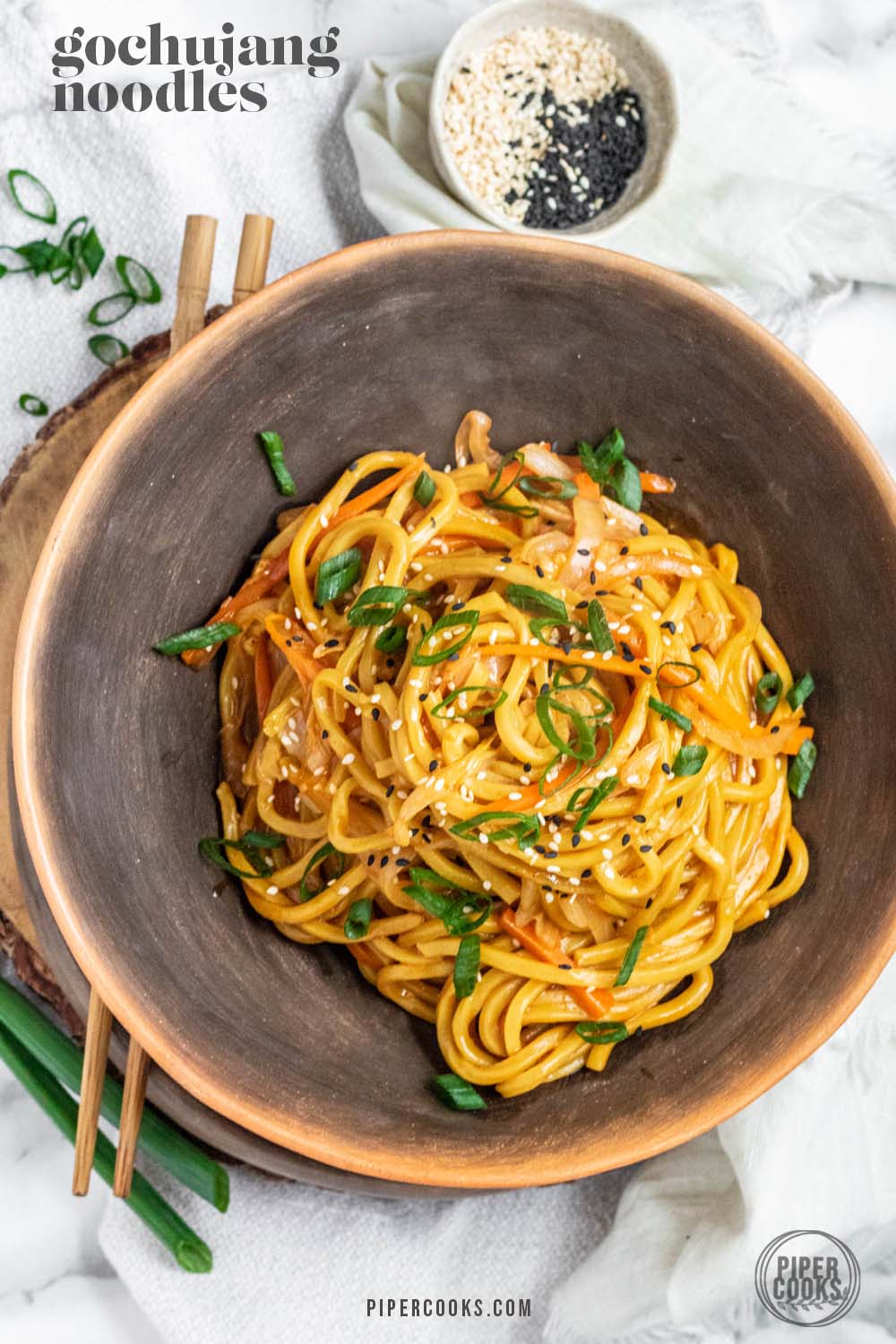
I like to serve these noodles topped with sliced green onions for a fresh bite and a scatter of sesame seeds for a slight nuttiness.

Tips for making gochujang noodles
What to serve with these sweet and spicy noodles
I like to serve these noodles with a protein on the side or extra vegetables.
This recipe goes well with Crispy Chicken Wraps or Crispy Chicken Burgers. For something vegetarian try my Fried Oyster Mushrooms or Easy Baked Lentil Balls.
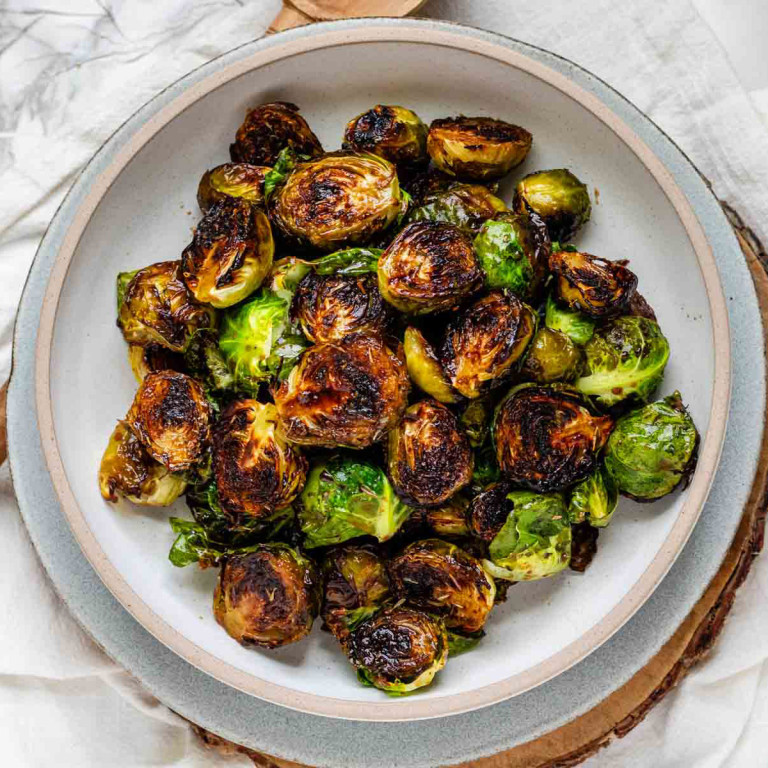
For vegetables on the side, add my Honey Sriracha Brussels Sprouts or Roasted Broccoli and Carrots.
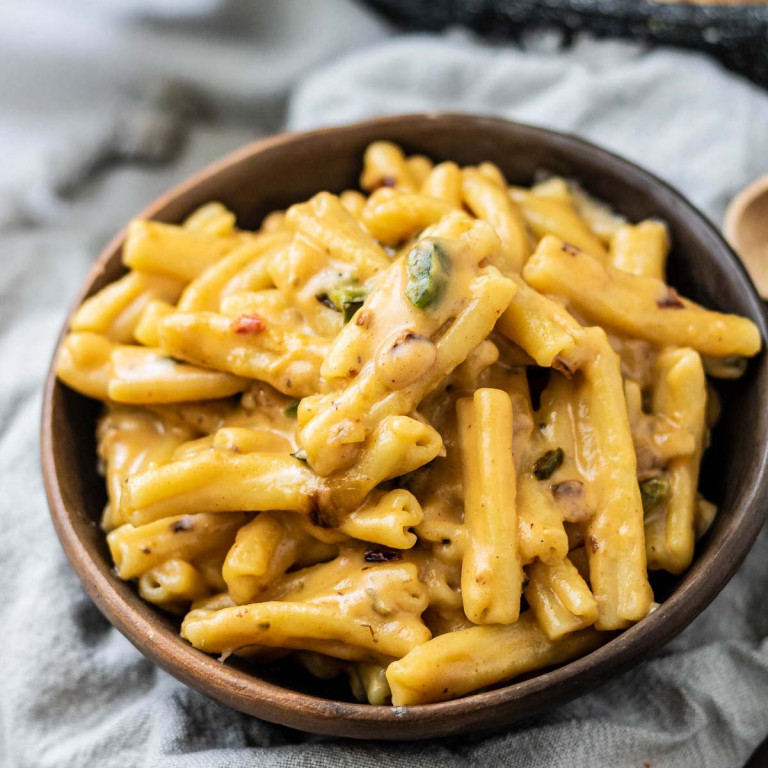
Want to try more noodles using Gochujang? Try my Spicy Garlic Noodles. Use gochujang paste in my Gochujang Aioli, Spicy Mac and Cheese, or a Spicy Cucumber Salad.
Storage
Store leftovers in the fridge and microwave for a few minutes to reheat. I like to use the dinner plate setting on my microwave for a less harsh heat when reheating noodles.

FAQs
Gochujang paste has a mild spice to it that is mellowed out with other condiments in this sauce. The Sambal Oelek also adds spice to this dish. Omit it for a less spicy dish.
Yes, you can use whatever long noodle shape you like in this recipe. I think these thick noodles hold the sauce well and have a nice texture combined with the crisp vegetables.

Gochujang Noodles
Ingredients
Noodles
- 1 onion sliced thin
- 2 carrots julienned
- 4 cups shredded napa cabbage
- 1 lb fresh noodles
for the sauce
- 2 tablespoons Gochujang
- 1 tablespoon sambal oelek
- 1 tablespoon hoisin sauce
- 1 tablespoon lime juice
- 1 tablespoon soy sauce
- 1 tablespoon vinegar
- 2 teaspoons sesame oil
- 2 teaspoons granulated white sugar
- 2 cloves garlic
- ½ cup water
- 1 tablespoon cornstarch
Instructions
- Mix together all sauce ingredients in a small bowl and set aside.
- Fry the onions over medium heat for about 2-3 min.
- Add the cabbage and carrot. Fry for 2-3 minutes to start to soften it.
- Add the noodles and sauce. Stir to combine and add a lid. Cook for 2-3 minutes to heat the noodles and sauce.
- Serve with sliced green onions and sesame seeds. Add sriracha if you like it spicy.
Notes
Nutritional information is an estimate. Values vary based on products used. Read our full Nutrition Disclaimer.
Disclosure: This post may contain affiliate links, meaning I get a commission if you decide to purchase through my link, at no extra cost to you.
SHARE THIS RECIPE
Rating, commenting, and sharing my recipes really helps. Thanks for taking the time! Mention @pipercooksblog on Instagram.